
Real-Life Nutrition
Balanced eating without a nutrition spreadsheet
By Dorelle Thompson, APD · 15 October 2026 · 3 min read
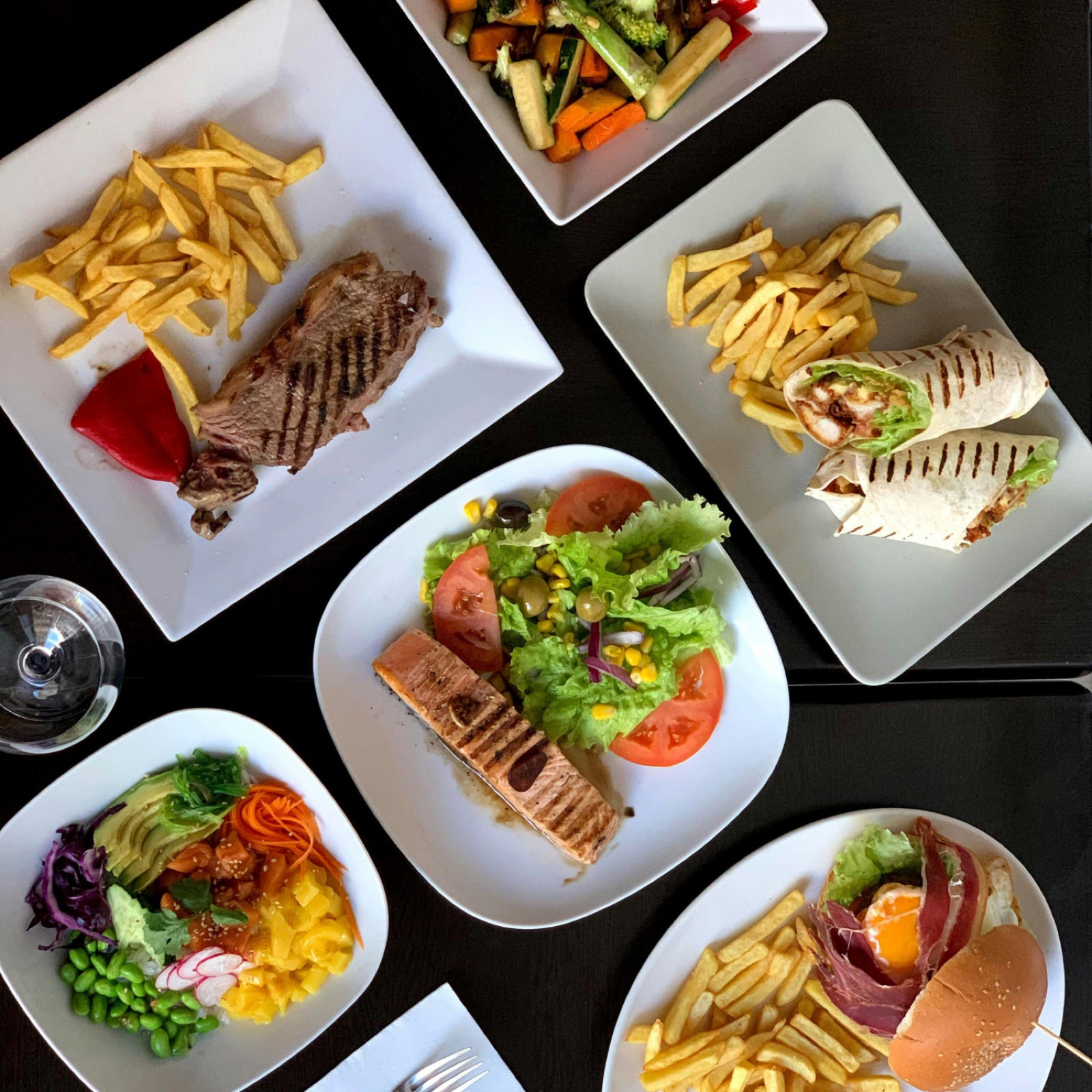
Two slices of toast. A salad. Chicken and rice.
Ordinary meals, but what would make them more nourishing? More protein? Fewer carbs? Something green? By the time you have considered all the advice, you may feel you need a spreadsheet just to have lunch.
You can begin much more simply. A balanced diet includes variety from the five Australian food groups, water as the main drink and some unsaturated fats. You don't need every food group at every meal. [1] Start by looking at what is already there, then ask: "What's missing?"
Food gives you more than one nutrient
Oats are more than carbohydrate. Yoghurt brings more to a meal than protein. Lentils can contribute to several nutrition priorities at once.
That is why building meals around food can be more useful than mentally dividing everything into nutrient targets. You are making breakfast, not sitting an exam.
Australian guidance identifies five food groups: vegetables and legumes; fruit; mostly wholegrain or higher-fibre grain foods; lean meat, poultry, fish, eggs, tofu, nuts, seeds and legumes; and milk, yoghurt, cheese or suitable alternatives. [1]
Unsaturated oils and spreads also have a place, although they are not a sixth official food group.
For the national picture, read about nutrient gaps in Australian diets.
Give your usual breakfast a small upgrade
Take the toast. You don't have to declare it a mistake and start again.
Would eggs and tomato make it more substantial? Would peanut butter, with fruit and yoghurt alongside, suit your morning better? If you prefer oats, milk or a suitable fortified alternative, fruit and nuts offer a different starting point.
Choose what fits your appetite and your morning. A breakfast that requires twenty minutes you don't have is unlikely to become a favourite.
Look beyond the lettuce at lunch
A salad can look impressively healthy and still need more to make it a useful meal.
If yours is mostly lettuce and tomato, consider adding chickpeas, tofu, tuna, chicken or eggs. Wholegrain bread or another grain food might pair well with it.
A sandwich can be equally worth working with. Look at the filling: is there a protein food? Could you add vegetables you enjoy? You may only need to change one ingredient instead of reinventing lunch.
Keep dinner familiar
Chicken and rice does not need to become an entirely different meal. Adding vegetables may be all it takes. Pasta can include vegetables and lentils in the sauce, or a protein such as fish, chicken, or tofu.
These are examples, not portion prescriptions. The amount you need depends on your appetite, health and circumstances.
If you have been told your blood glucose is high, read about carbohydrates and prediabetes.
How much is enough?
Australian food group recommendations vary with age, sex and life stage. Energy needs differ too. Eat for Health provides daily serve recommendations as a reference; individual health needs may require a different plan. [2]
A standard serve is the amount used in the guidelines. It is not necessarily your portion. One bowl, sandwich or plate may contain several standard serves.
Leave room for meals that are simply meals
Some dinners will have plenty of variety. Others will be whatever you can manage after a long day.
Look at the broader routine. If "What's missing?" starts to feel like another demanding rule, step back. It’s meant to help you make an easy adjustment, not inspect every mouthful.
Just one thing to try
Choose one regular meal and one useful addition. Put that ingredient on your shopping list. Repeat it if it works for you.
Questions you might be asking
Must I count calories or macros?
Many people can start with food variety and meal structure. Tracking may help with specific goals or clinical needs, but not everyone needs to start there.
Must every meal contain all five food groups?
No. Include variety across the day. [1]
Make the foundations yours
Contact Wellness Nutrition Solutions if you would like help building meals around your health needs, preferences and real-life routine.
This article provides general nutrition information. Individual needs vary. Discuss symptoms, abnormal test results and changes to clinical eating plans with your GP and appropriately qualified healthcare professionals.