No referral required · Brisbane & online
Build a Healthy Relationship with Food
Feel more in control around food, without restrictive diets or rigid food rules. A healthy relationship with food starts with understanding the pattern, not tightening the rules.

Who this is for
People in Brisbane and across Australia who feel stuck in cycles of restriction, overeating, guilt or constant thinking about food and want a calmer, non-diet way forward. Support focuses on eating behaviour and nutrition, and where specialist care is needed we recommend working alongside a psychologist or your GP. No referral is needed, and appointments are available in Fortitude Valley or online.
Tailored Dietitian Support for Emotional Eating, Overeating and Binge Eating
Do you often eat more than you intended, even when you promised yourself you wouldn't?
Perhaps you reach for food when you feel stressed, bored, lonely or overwhelmed. You may eat while watching television, working or scrolling on your phone, then suddenly realise the food is gone without really noticing it.
Maybe evenings are the hardest time. Or perhaps there are times when eating feels out of control, leaving you physically uncomfortable, disappointed or wondering why you cannot just stop.
If this sounds familiar, you are not alone. These eating patterns are common, particularly in a food environment that encourages constant eating while diet culture tells us we should have more control.
You don't need another diet. You need to understand what is driving the pattern and learn a different way of responding.
At Wellness Nutrition Solutions, we help you understand what is happening underneath your eating behaviour, without judgement or shame. Together we develop tailored, practical strategies that can help you feel calmer, more confident and more trusting around food.
Why Emotional Eating and Overeating Aren’t Just Willpower Problems
When you repeatedly eat in ways you did not intend to, it is easy to blame yourself. You might think:
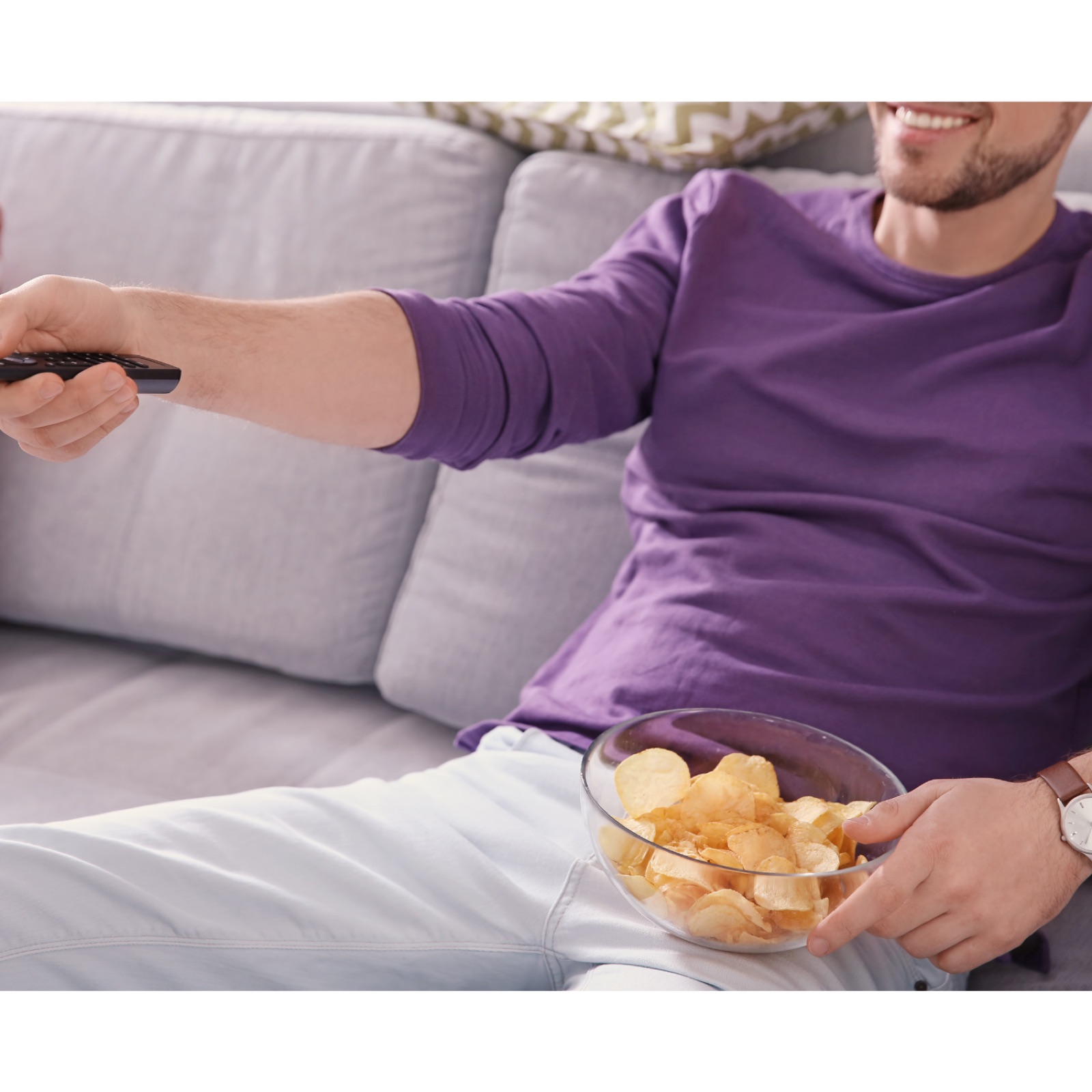
The thoughts that usually come first
- “I just need more discipline.”
- “I need to get into the right frame of mind.”
- “Why can't I stop?”
- “I'll be better tomorrow.”
But eating is influenced by much more than hunger or willpower. Stress, emotions, habits, your environment, inadequate meals, restrictive dieting, and the way you think about food can all affect when, why and how much you eat.
Trying harder to control food may provide a temporary sense of order, but it does not address the reason the pattern keeps returning. For some people, more restriction can make urges, overeating and feelings of being out of control even stronger.
Understand What’s Driving Your Eating Patterns
A more helpful starting point is curiosity rather than criticism. We look at what happens before, during and after eating so you can recognise the physical, emotional and environmental factors that influence the pattern.
Once the pattern makes sense, you can begin to respond differently. That is where we start.
How We Can Help You Build a Healthier Relationship with Food
Your concerns may not fit neatly into one category. Emotional eating, mindless eating, large portions, night eating and binge eating often overlap. We will focus on the patterns that matter most to you.
Overeating and Portion Control Support
Understand why you eat more than you intended. Regularly eating more than you need or want is not always about physical hunger.
You may have learned to finish everything on your plate, eat too quickly to notice fullness, or spend years restricting food and losing trust in your body’s signals.
We can explore hunger, satisfaction and fullness cues; portion sizes and eating speed; meal timing and whether your meals are satisfying; food rules, restriction and all-or-nothing thinking; and environmental triggers, thoughts and emotions.
The aim is not to replace one set of portion rules with another. It is to help you recognise what your body needs and make more intentional choices without guilt.
Stress Eating and Emotional Eating Support
Find more ways to manage stress and difficult emotions. Food can provide genuine comfort, and there is nothing shameful about that.
You might reach for chocolate after a difficult day, snack when you feel overwhelmed, or eat when you are anxious, lonely, frustrated or exhausted. The difficulty arises when eating becomes your main, or only, way of coping, particularly when it leaves you feeling worse afterwards.
We will help you recognise your emotional eating triggers and widen the range of ways you can respond. Rather than imposing a rule that you must never eat emotionally, we may explore what you are feeling, what you need right now, whether food would feel satisfying, and what other form of comfort, support or relief could help.
The aim is not to take comfort away from food. It is to give you more choices.
Mindless Eating and Distracted Eating
Become more aware of automatic eating habits — the packet that empties while you scroll, the lunch you barely noticed.
Mindless or distracted eating can happen almost automatically. It does not mean you have failed; it means a habit has formed, and habits can be understood and changed.
We may look at what triggers automatic eating, where and when distracted eating usually occurs, the influence of screens and work, eating speed and awareness of satisfaction, and small pauses that create an opportunity to choose.
We do not expect you to analyse every mouthful or eat perfectly. The goal is to become more present often enough to make a conscious choice.
Night Eating and Evening Overeating
Understand why eating feels more difficult at night, when you may feel in control during the day and then repeatedly reach for food in the evening.
Night eating and evening overeating can be influenced by not eating enough earlier in the day, restrictive daytime food rules, habit and easy access to food, stress, loneliness, boredom or exhaustion, and using the evening as your only opportunity to relax or have something for yourself.
We look at your whole day of eating. Sometimes the answer is not greater evening control, but understanding and addressing what has been happening earlier.
Compassionate Dietitian Support for Binge Eating
Understand and reduce patterns of out-of-control eating. Binge eating can be deeply distressing, and nothing is wrong with you.
You may eat a large amount of food within a relatively short time and feel unable to stop, even when you are no longer physically hungry. Afterwards you may feel uncomfortable, ashamed, disappointed or confused.
Binge eating can be influenced by physical, emotional, behavioural and psychological factors. Stricter dieting, skipped meals and greater food restriction can sometimes reinforce the binge–restrict cycle. We take a compassionate, evidence-informed approach to understanding your eating patterns and the factors that sustain them.
Depending on your needs, support may include establishing more consistent eating habits, reducing rigid food rules, identifying triggers, developing alternative coping strategies, and creating a practical plan to handle setbacks and prevent relapse.
If binge eating is frequent, severe or causing significant distress, we may recommend collaborative care with your GP, a psychologist or another appropriately qualified health professional. You do not have to navigate this alone.
How Our Healthy Relationship with Food Consultations Work
- 1
We listen without judgement
We begin by listening to what has been happening for you: your eating patterns, relationship with food, health, lifestyle and previous experiences with dieting. You will not be judged or expected to justify what you eat.
- 2
We explore your eating patterns and triggers
Rather than focusing only on what you ate, we explore what was happening before, during and after eating, to reveal connections involving hunger, emotions, routines, food rules, sleep, stress and your environment.
- 3
We develop a practical starting plan
Together we identify the most useful starting point and choose manageable strategies that fit your needs, values and everyday life. You do not need to change everything at once.
- 4
We help you rebuild trust around food
The long-term goal is not perfect eating. It is greater awareness, flexibility and confidence, and the ability to make food choices without constant rules, guilt or negotiation.

Is Healthy Relationship with Food Support Right for You?
- you regularly eat more than you intend
- you often eat in response to stress or emotions
- you eat automatically while watching television, working or scrolling
- evenings feel particularly difficult around food
- you feel caught in a cycle of restriction and overeating
- you experience episodes in which eating feels out of control
- you frequently feel guilty, ashamed or disappointed after eating
- you struggle to recognise hunger, satisfaction or fullness
- food takes up more mental space than you would like
- strict diets and food rules have not provided a lasting solution
- you are tired of promising yourself you will start again on Monday
- you want to feel calmer and more confident around food
You do not need to wait until your relationship with food feels “bad enough” to ask for help. If food is taking more time, energy or attention than you would like, that is reason enough to begin a conversation.
Compassionate Eating Support Without Diets, Guilt or Shame

You are not the problem. If you have been caught in a cycle of overeating, emotional eating or trying to control food, you may have spent a long time believing you need more discipline. You do not. There is a reason the pattern keeps happening, and we focus on the why behind your eating concerns so we can make changes that are compassionate, practical and sustainable. Less guilt, less all-or-nothing thinking, more trust and more flexibility.
Before you book
What clients say
“I've stopped trying random diets. I finally have clarity and a plan that works.”
Individual experiences and results vary
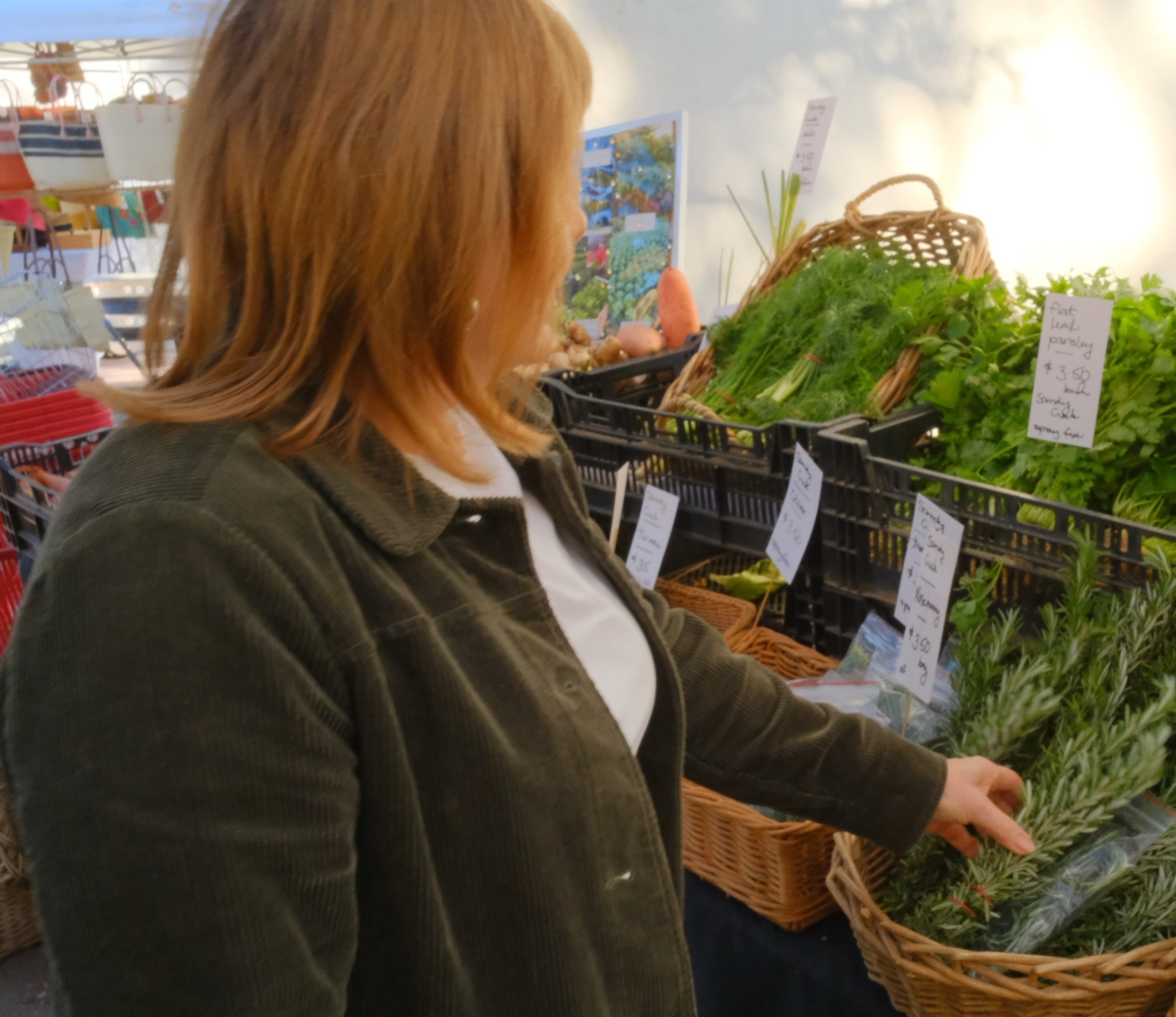
About Dorelle
Dorelle Thompson is an Accredited Practising Dietitian with more than 20 years experience in nutrition and eight years experience in health coaching. She holds a Bachelor of Health Science in Nutrition and Dietetics and a Master of Public Health in Health Promotion, and has been a member of Dietitians Australia since 1997. Dorelle has additional training in binge-eating disorder, nutrition counselling and eating-behaviour support, combining evidence-informed guidance with compassionate, practical strategies.
More about DorelleRelated support
Ready to Build a Healthier Relationship with Food?
You do not have to work this out on your own. Start with a simple, no-pressure conversation. We will listen to what has been happening, answer your questions and help you decide whether this support is right for you. Health that sticks because it now makes sense.
Health that sticks because it now makes sense.