No referral required · Brisbane & online
Improve Your Cholesterol and Heart Health with Dietitian Support
A dietitian can help you understand your heart-health and cholesterol results and feel confident about what to eat. Cholesterol, blood pressure and blood sugar are part of one connected system, which is why we look at the whole picture rather than a single number.

Who this is for
People in Brisbane and across Australia who have been told their cholesterol, triglycerides or blood pressure are too high and want to know what to actually eat. Support is practical and evidence-based, works alongside any medication your doctor has prescribed, and never involves fear or perfection. No referral is needed, and appointments are available in Fortitude Valley or online.
Tailored Nutrition Support for Cholesterol and Blood Pressure
Have you been told that your cholesterol, triglycerides or blood pressure are higher than they should be?
Perhaps the change was unexpected. You may feel well and wonder why the numbers matter, or you may have a family history of heart disease and want to be proactive about your health.
You might be wondering
- Which foods actually affect cholesterol?
- Do I need to avoid eggs, dairy foods or all saturated fat?
- Can nutrition help lower my blood pressure?
- Should I take a supplement?
- What should I eat if I am already taking medication?
- How do I make changes without following another restrictive diet?
Heart-health advice can quickly become confusing, particularly when it focuses on isolated nutrients or labels foods as simply "good" or "bad".
At Wellness Nutrition Solutions, we help you understand your results, identify the nutrition changes most relevant to you and build a heart-healthy eating pattern that works in everyday life.
Your heart health is influenced by your overall pattern, not by any one food, meal, or perfect choice.
What Do Your Cholesterol and Heart-Health Results Mean?
Cholesterol is a waxy substance your body needs to make hormones, vitamin D and cell membranes. It travels through the blood in particles called lipoproteins.
A standard lipid blood test may include total cholesterol, LDL cholesterol, HDL cholesterol, non-HDL cholesterol and triglycerides. These results provide different pieces of information, along with factors such as blood pressure, blood glucose, smoking, family history, age, and existing health conditions, that help paint the bigger picture of your health.
Blood pressure measures the force of blood against the walls of your arteries. Persistently high blood pressure can increase strain on the heart and blood vessels, even when you do not notice any symptoms.
Rather than focusing on a single number in isolation, we help you understand the broader picture and how nutrition may contribute to risk reduction.
Nutrition Support for Common Heart-Health Concerns
Your nutritional needs depend on your results, medication, family history, other health conditions, and current eating patterns.
High LDL and Non-HDL Cholesterol
LDL and non-HDL cholesterol reflect particles that can contribute to plaque buildup in arterial walls when levels remain elevated.
Genetics, age, hormonal changes, health conditions and dietary patterns can all play a role. Nutrition support may focus on improving the type of fats you eat, increasing soluble fibre, including plant sterols where appropriate and building an overall cardioprotective eating pattern.
High Triglycerides
Triglycerides are a type of fat carried in the blood, and several different factors can raise them.
Triglycerides are influenced by genetics, insulin resistance, alcohol, overall energy intake, body weight, activity and the amount and type of carbohydrate and fat in the diet. We help you identify the factors most relevant to your results rather than applying a generic low-fat or low-carbohydrate diet.
High Blood Pressure
Blood pressure can be influenced by genetics, age, medication, stress, sleep, physical activity, alcohol, body weight and dietary patterns.
A heart-healthy plan may include attention to sodium intake, potassium-rich foods, vegetables, fruit, legumes, wholegrains, nuts, seeds, and an eating pattern such as DASH or Mediterranean-style eating.
Heart Health Through Menopause and Later Life
Cholesterol and cardiovascular risk can change with age and menopause, even when your eating habits have not changed significantly.
It can be frustrating when your risk increases even though little else has changed. We consider hormonal changes, muscle mass, activity, blood glucose, blood pressure and your broader health rather than assuming the answer is to eat less.
The Foods and Eating Patterns That Support Heart Health
There is no single heart-health superfood. The strongest approach is usually a pattern that brings together several beneficial foods and habits.
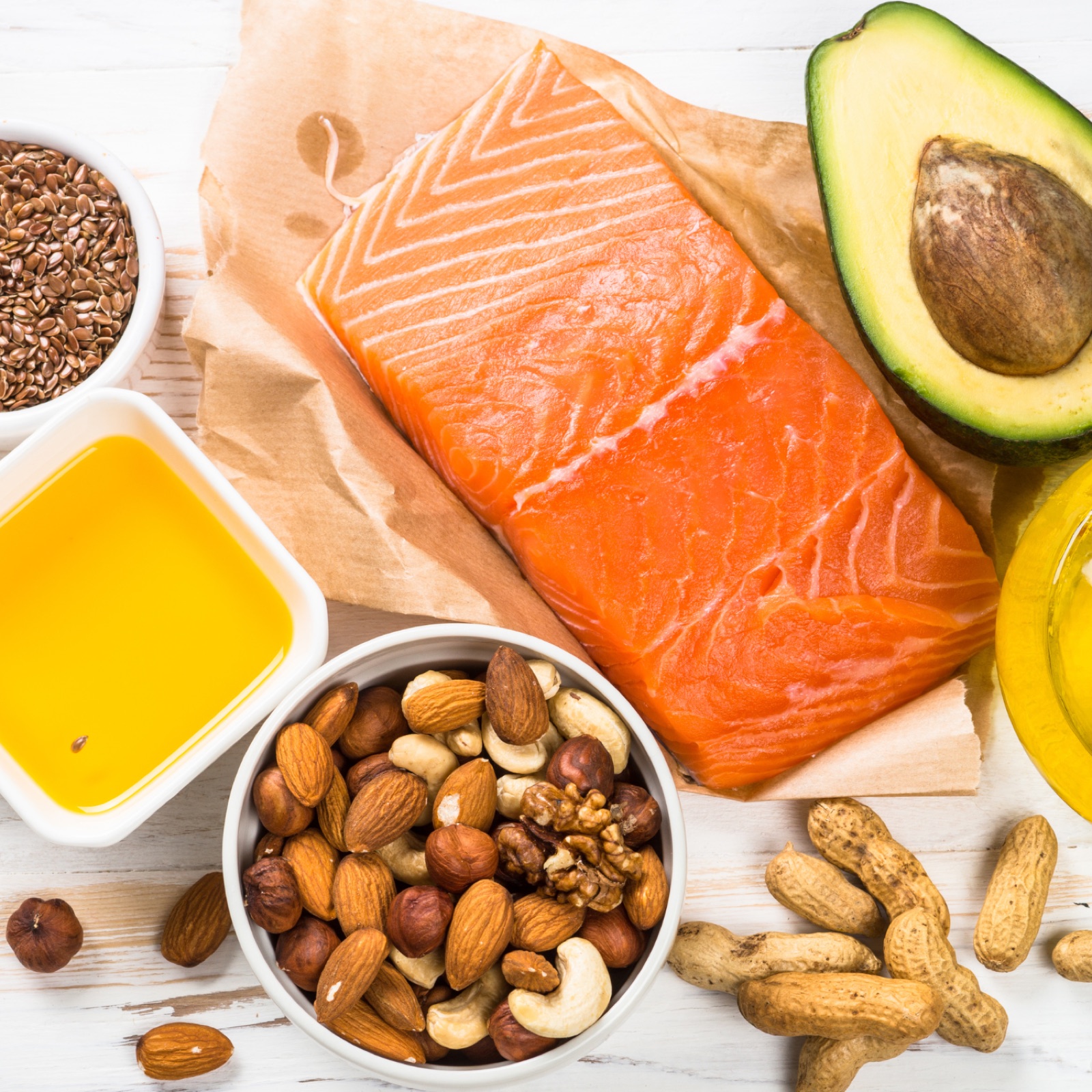
Choose Fats That Support Heart Health
Getting the right balance of saturated fats with unsaturated fats can help improve cholesterol levels. It may mean using olive oil, including nuts, seeds, avocado and fish, and adjusting the frequency or portions of other foods. The aim is not to remove all fat. It is to improve the balance and quality of the fats you eat.
Build More Plants Into Your Eating Pattern
Vegetables, fruit, wholegrains, legumes, nuts and seeds provide fibre and a range of nutrients and plant compounds. You do not need to become vegetarian to benefit from eating more plant foods.
Use Evidence-Based Dietary Patterns
Mediterranean, DASH and Portfolio-style dietary patterns each offer useful heart-health principles. We can draw on the elements that are most relevant and realistic for you, rather than expecting you to follow a rigid dietary template.
Heart Health Is About More Than Food
Nutrition matters, but it works alongside medication, movement, sleep, stress management, alcohol intake and smoking cessation. A blood test result that has changed is information, not proof that you have failed.
We help you look at the factors you can influence while recognising that genetics, ageing and health conditions also matter.

Beyond the plate
Depending on your needs, we may discuss:
- simple ways to move more regularly
- meal planning around work, family and health needs
- strategies for eating out and social occasions
- gradual changes to sodium, fibre and dietary fats
- how sleep and stress may affect broader metabolic health
- questions to discuss with your GP, cardiologist or pharmacist
How Our Heart-Health Dietitian Consultations Work
- 1
We begin with your health story
We discuss your blood results, blood pressure, medications, family history, usual eating pattern, lifestyle and the advice you have already received. We also clarify what you would most like to improve.
- 2
We make sense of your results
We explain what the different results mean and help you understand which nutrition and lifestyle factors may be relevant to your situation.
- 3
We identify your priorities
You do not need to change everything at once. Together, we choose the areas likely to provide the greatest benefit and identify a manageable starting point.
- 4
We develop your tailored nutrition plan
Your plan reflects your health needs, food preferences, culture, budget, cooking skills and daily routine. We focus on practical changes you can repeat consistently.
- 5
We review and adjust
Follow-up appointments allow us to review your progress, address problems, strengthen habits, and adapt your plan when your health, results, or medications change.
Is Heart-Health Nutrition Support Right for You?
- your LDL, non-HDL cholesterol or triglycerides have increased
- you have been told that your blood pressure is high
- you have a family history of heart disease or stroke
- your cholesterol has changed through menopause or later life
- you are managing diabetes, insulin resistance or fatty liver alongside heart-health concerns
- you take cholesterol or blood-pressure medication and want nutrition support
- you feel confused about fats, fibre, sodium, eggs or dairy foods
- you want to improve your diet without rigid rules or unnecessary restriction
- you have tried making changes but are unsure which ones matter most
- you want a practical eating pattern that supports your long-term health
Heart-Healthy Eating Without Fear or Perfection
A change in cholesterol or blood pressure results can make food feel risky. You may find yourself scrutinising every label or worrying that one meal will undo your efforts. But heart health is not determined by a single food. Your usual pattern over time matters far more than occasional choices. You do not need to eat perfectly. You need a heart-healthy pattern that makes sense and fits into your life, and we provide clear, tailored guidance without blame, fear or an unrealistic list of forbidden foods.
Can Nutrition Help If You Take Heart Medication?
Yes. Nutrition and medication often work together. A heart-healthy eating pattern can support your overall risk management even when medication is needed.
We do not recommend changing prescribed medication without speaking with your doctor. Instead, we help you understand the role of nutrition and identify questions to raise with your healthcare team.
Before you book
What clients say
“I've stopped trying random diets. I finally have clarity and a plan that works.”
Individual experiences and results vary

About Dorelle
Dorelle Thompson is an Accredited Practising Dietitian with more than 20 years experience in nutrition and eight years experience in health coaching. She holds a Bachelor of Health Science in Nutrition and Dietetics and a Master of Public Health in Health Promotion, and has been a member of Dietitians Australia since 1997. Dorelle combines evidence-based heart-health nutrition guidance with practical coaching strategies that help you turn information into achievable everyday actions.
More about DorelleReady to Support Your Heart Health?
You do not have to work it all out on your own. Start with a simple, no-pressure conversation. We will listen to what has been happening, answer your questions and help you decide whether heart-health nutrition support is right for you. Health that sticks because it now makes sense.
Health that sticks because it now makes sense.