No referral required · Brisbane & online
Improve Your Gut Health with Tailored Dietitian Support
Understand your digestive symptoms and feel more comfortable around food. As a gut health dietitian, Dorelle looks at your symptoms, eating patterns and life together rather than handing you another list of foods to avoid.

Who this is for
People in Brisbane and across Australia living with bloating, stomach pain, reflux, constipation, diarrhoea or IBS who want structured, evidence-based help rather than guesswork. Dorelle is FODMAP-trained through Monash University and works with microbiome testing where it is useful. Dietetic support does not replace medical diagnosis, and no referral is needed to book.
Tailored Dietitian Support for IBS, Bloating, Constipation and Digestive Health
When your gut is unhappy, it can affect much more than just your digestion. Your gut health is related to bloating, stomach pain and discomfort, constipation, changes in your bowel habits, and foods that suddenly do not seem to agree with you.
And when you are trying to work out what is causing it, eating can become stressful in itself.
You might be wondering
- Should I stop eating dairy?
- Is gluten the problem?
- Do I need a probiotic?
- Should I try a low-FODMAP diet?
- How can I support my gut microbiome?
With so much conflicting advice, it is easy to become confused, afraid of food or caught in an unnecessarily restrictive diet.
You do not need another extreme gut-health solution.
You need to understand what may be influencing your symptoms and identify which changes are genuinely worth trying. We will explore your symptoms, eating patterns, health history and lifestyle without judgement, then help you make practical, evidence-based changes that fit your life.
Tailored Nutrition Support for Better Gut Health
There is no single perfect diet for a healthy gut.
The foods you eat, the amount and variety of fibre in your diet, your meal patterns, your tolerance of particular foods, stress, sleep, hormonal changes and other health conditions may influence your symptoms. That is why we do not begin by handing you a long list of foods to avoid.
We begin by listening. We will explore what you are experiencing, what you have noticed about food and symptoms, and what you have already tried. Then we will work out where to focus.
Sometimes a dietary change is appropriate. At other times, the most helpful starting point may be meal regularity, fluids, fibre variety, eating pace or a closer look at stress and sleep.
The aim is not a perfect gut. It is to help you feel more comfortable, confident and nourished while preserving the variety and enjoyment of your diet.
Nutrition Support for IBS, Bloating, Constipation and Digestive Discomfort
Living with ongoing digestive symptoms can make food feel complicated. Several factors may be involved, and the same symptom can have different influences for different people.
Identify foods and eating patterns that may affect your digestion
You might be experiencing:
- irritable bowel syndrome (IBS) symptoms
- bloating or abdominal discomfort
- constipation or changes in bowel habits
- suspected food intolerances
- uncertainty about which foods help or make symptoms worse
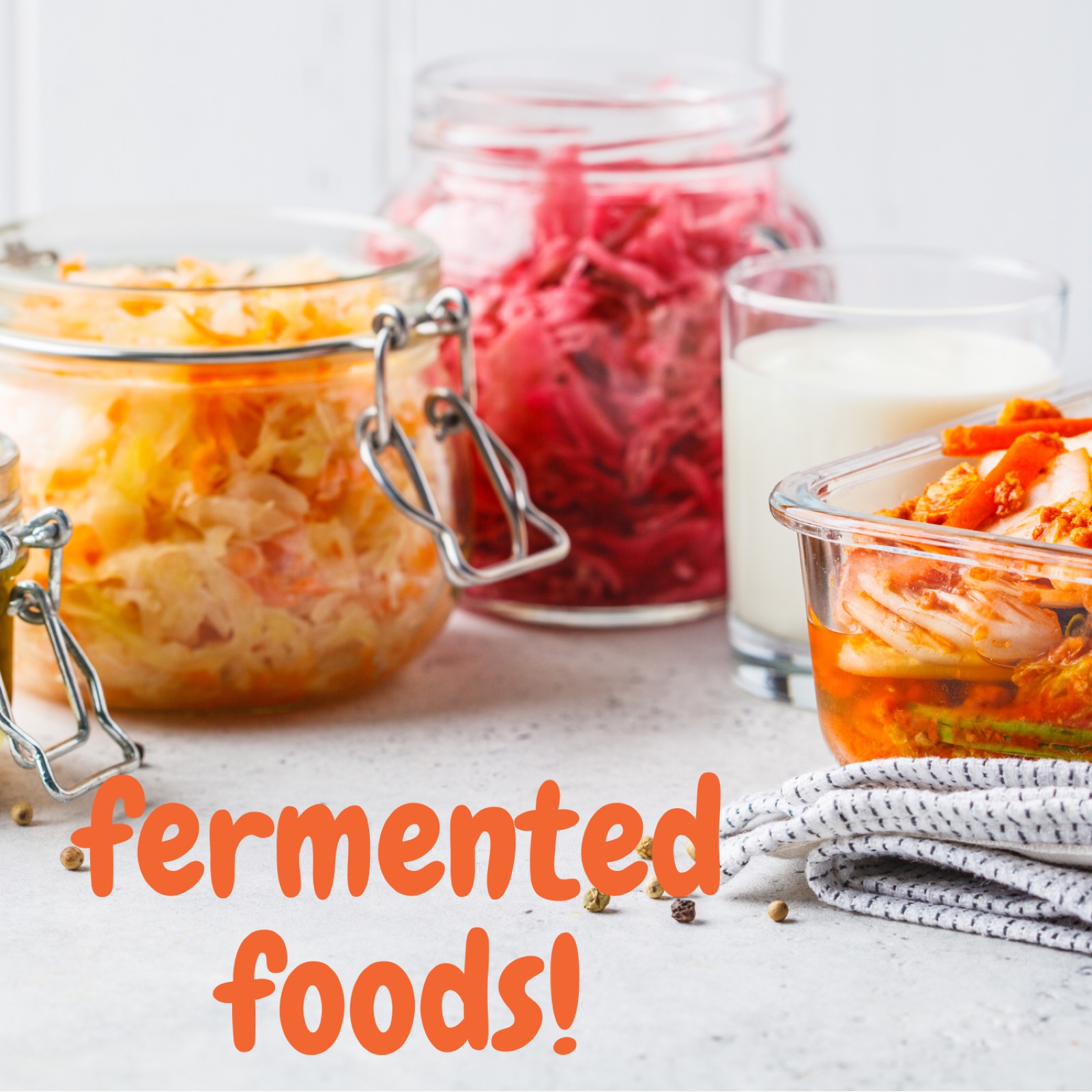
- questions about fibre, fermented foods or probiotics
- concerns about supporting your gut microbiome
- confusion about whether a low-FODMAP diet is appropriate
The answer is not always to eliminate more foods. Restricting foods without a clear purpose can make it harder to meet your nutritional needs, reduce dietary variety and increase anxiety around eating. In some cases it may also make constipation or other symptoms more difficult to manage.
We will help you explore your usual eating pattern and identify practical opportunities to support digestive comfort. Depending on your situation, this may include looking at:
Where we may start
What we may look at:
- meal timing and regularity
- the amount and types of fibre you eat
- fluid intake
- food variety and plant diversity
- suspected food intolerances
- how quickly you eat
- gradual introduction or reintroduction of particular foods
If a structured dietary trial is appropriate, we will help you approach it thoughtfully, for a clear purpose and with a plan to protect your nutritional intake. We will not ask you to change everything at once.
Because your gut does not need another extreme solution. It needs an approach that makes sense for you.
How Stress and Sleep Can Affect Your Gut Health
Have you noticed that your digestion seems worse when you are stressed? Or that your eating and digestive symptoms change when you are exhausted? You are not imagining the connection.
Your digestive system and nervous system communicate closely. Stress, disrupted sleep and changes in routine may influence appetite, eating patterns and how digestive symptoms are experienced.
That does not mean your symptoms are all in your head. It means your whole life deserves a place in the conversation.
Understanding the gut–brain connection
We may explore factors such as:
The goal is not to remove all stress from your life. It is to understand how food, lifestyle and symptoms may interact, then find manageable ways forward.
- stress and particularly busy periods
- sleep patterns and fatigue
- meal timing and routine
- eating quickly or on the go
- how calmly and attentively you can eat
- the practical barriers that make regular, nourishing meals harder
Hormones, Menopause and Digestive Health
Gut health during perimenopause, menopause, PCOS and endometriosis. When your body changes, your digestion may feel different too.
During perimenopause or menopause, or while living with polycystic ovary syndrome (PCOS) or endometriosis, you may notice changes in appetite, bowel habits, abdominal comfort, food tolerance or your relationship with food. It can be frustrating, particularly when advice about hormones and gut health seems to change every time you open social media.
You do not need to follow every new gut-health trend. We will help you separate useful nutrition strategies from the noise and consider your digestive health within the context of your overall health, looking at nutrition, symptoms, lifestyle and goals together rather than treating each concern as an isolated problem.
Improve Your Gut Health Without Unnecessary Food Restriction
When you experience digestive symptoms, it can be tempting to keep removing foods.
- 1First dairy.
- 2Then gluten.
- 3Then onions and garlic.
- 4Then foods high in FODMAPs.
- 5Then anything someone online describes as "bad for your gut".
Before long, eating can become stressful, and your diet variety can shrink. You do not have to eliminate everything to feel better.
Our approach is to understand your symptoms and nutritional needs, make evidence-based changes where appropriate, and preserve the food variety that supports nutrition, enjoyment and a healthy relationship with food.
The aim is to find the least restrictive eating pattern that supports your health and feels manageable in everyday life. Your gut health matters. But so does your relationship with food.
What to Expect From Your Gut Health Nutrition Consultation
- 1
First, we listen
We will talk about your digestive symptoms, eating patterns, lifestyle, health history and what you have already tried. You will have the opportunity to explain what has been happening without being dismissed or told that you simply need to eat healthier.
- 2
Then, we look for patterns
We consider what happens before, during and after your symptoms, alongside your food choices, meal patterns and lifestyle factors. This can reveal connections that are difficult to see when you are dealing with symptoms day to day.
- 3
Then, we find your starting point
You do not have to change everything at once. Together we identify the areas most relevant to you and choose manageable changes. Increasing fibre variety, plant diversity or fermented foods may need to happen gradually and according to your individual tolerance.
- 4
And we adjust as we learn
Your first strategy does not have to be your final strategy. At review appointments we assess your response, solve practical problems and adjust your plan as we learn more about what works for you.
Who Can Benefit From Gut Health Nutrition Support?
- you regularly experience bloating or digestive discomfort
- you have been diagnosed with IBS
- you experience constipation or changes in bowel habits
- you suspect particular foods may not agree with you
- you are unsure how to manage a suspected food intolerance
- you want to support your gut microbiome through food
- stress or poor sleep seems to coincide with digestive symptoms
- your digestion has changed during perimenopause or menopause
- you have PCOS or endometriosis and would like tailored nutrition support
- you have tried elimination diets or online gut-health advice and do not know what to try next
- you are tired of being told to avoid more foods
- you want a balanced, evidence-based approach to digestive health
You do not have to wait until your symptoms feel “bad enough” to ask for help. If your digestion is affecting what you eat, how you feel or how confidently you go about your day, that is enough reason to start a conversation.
Your Symptoms Are Not Your Fault

When your gut is not behaving the way you would like, it is easy to become frustrated with your body and yourself. You may feel that you should have worked it out by now, or worry that every symptom means you ate the wrong thing. You are not the problem. Your symptoms are information, and our role is to help you understand that information, make sense of the nutrition science and identify practical ways forward. No shame. No unnecessary restriction. No chasing every new gut-health trend.
Where further medical investigation is appropriate, we may also recommend discussing persistent or concerning symptoms with your GP or specialist. Digestive symptoms can have many possible causes. Dietetic support does not replace medical diagnosis, pathology testing or other specialist care.
Before you book
What clients say
“My energy, digestion, and blood sugar have improved. I feel like I finally understand my body.”
Individual experiences and results vary
About Dorelle
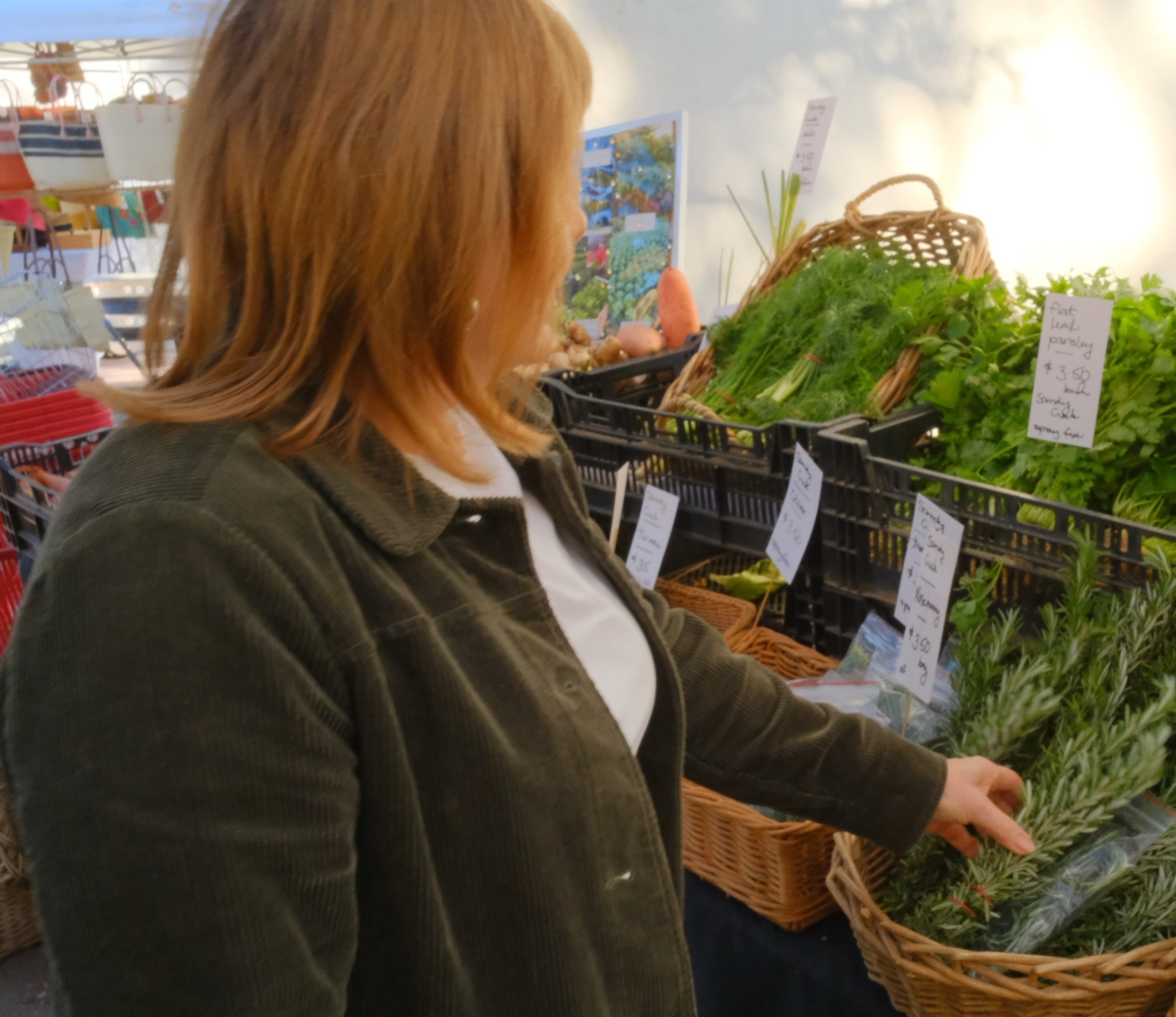
Dorelle Thompson is an Accredited Practising Dietitian with more than 20 years experience in nutrition and eight years experience in health coaching, and has been a member of Dietitians Australia since 1997. She has additional training in FODMAP nutrition, microbiome testing and nutrition counselling, and tailors recommendations to your symptoms, nutritional needs and lifestyle.
More about DorelleReady to Take the Next Step Towards Better Gut Health?
You do not have to solve your digestive concerns on your own. Start with a conversation. We will listen to what is happening, discuss what you have already tried and help you explore whether Good Gut Health support is right for you. Health that sticks because it now makes sense.
Health that sticks because it now makes sense.