Gut & Digestive Health
Nourish Your Gut to Get Healthy Skin
By Dorelle Thompson, APD · 24 January 2025 · 4 min read
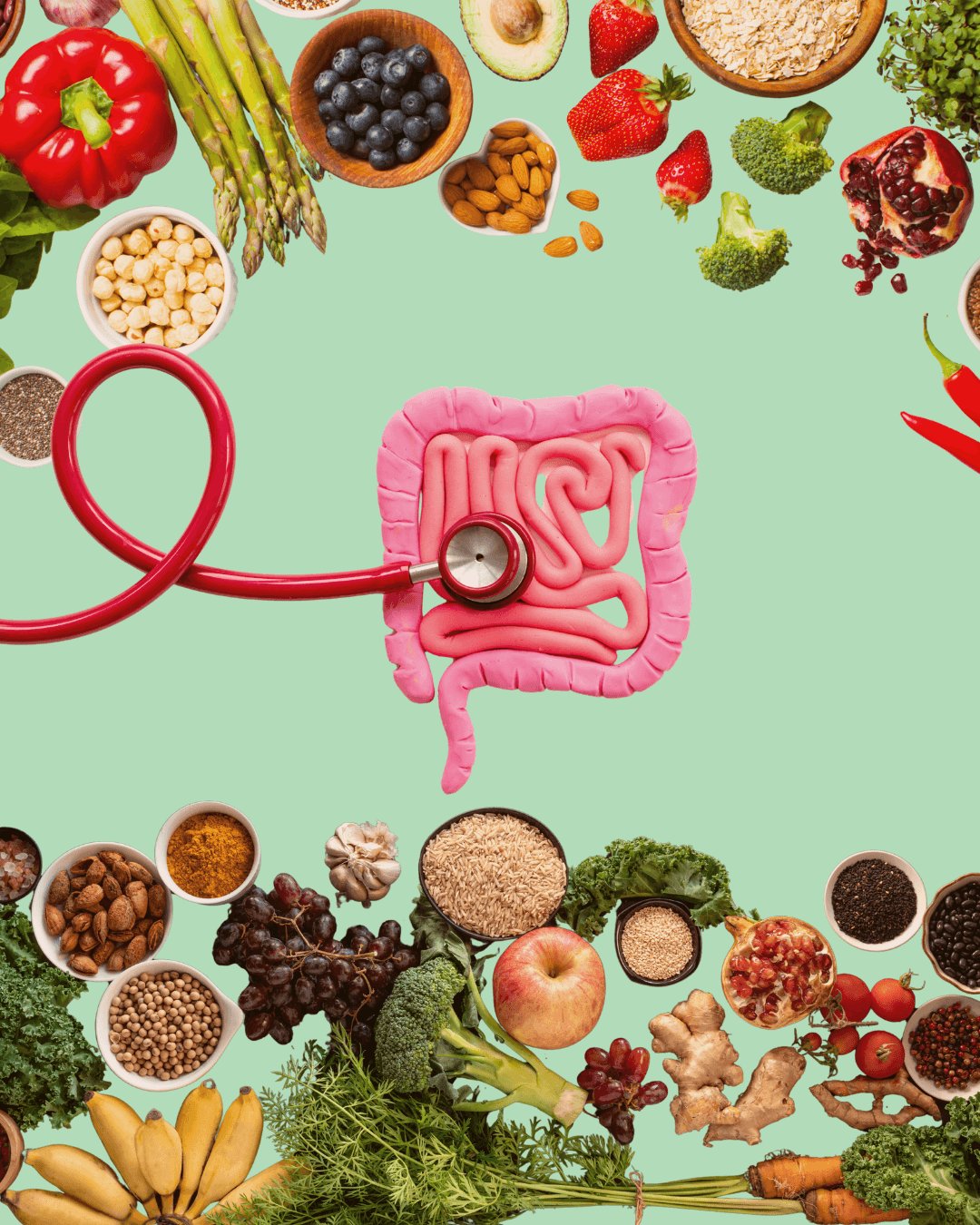
Did you know your gut may hold one of the keys to glowing, healthy skin? At Wellness Nutrition Solutions, we focus on the connection between your diet, gut health and skin vitality. The gut-skin axis is the dynamic relationship between your gut microbiome and your skin, and it plays a role in nutrient absorption, inflammation and hormonal balance. By nourishing your gut with the right foods, you can support your skin from the inside out.
What is the gut-skin axis?
The gut-skin axis refers to the dynamic relationship between your gut microbiome and your skin. Your gut microbiome, made up of trillions of bacteria, fungi and other microorganisms, plays a role in digestion, immunity and inflammation regulation. The health of your gut can influence your skin in several ways:
- Nutrient absorption for skin health. Your gut absorbs essential nutrients like vitamins A, C, D, E and zinc, which are involved in collagen production, hydration and skin repair.
- Inflammation control. A disrupted gut microbiome (dysbiosis) can contribute to chronic inflammation, which may break down collagen and elastin and worsen skin conditions like acne, eczema and psoriasis.
- Hormonal balance. Your gut microbiome influences hormone regulation, which helps maintain skin elasticity, hydration and clarity. Hormonal imbalances can show up as breakouts, fine lines and dryness.
- Toxin elimination. When your gut is working well, it helps your body clear waste. If it is compromised, this can show up as dull skin, uneven texture or premature ageing.
How food shapes gut and skin health
What you eat affects both your gut microbiome and your skin's vitality. A diet rich in nutrient-dense, whole foods can support your gut and your skin.
Foods that support gut and skin health
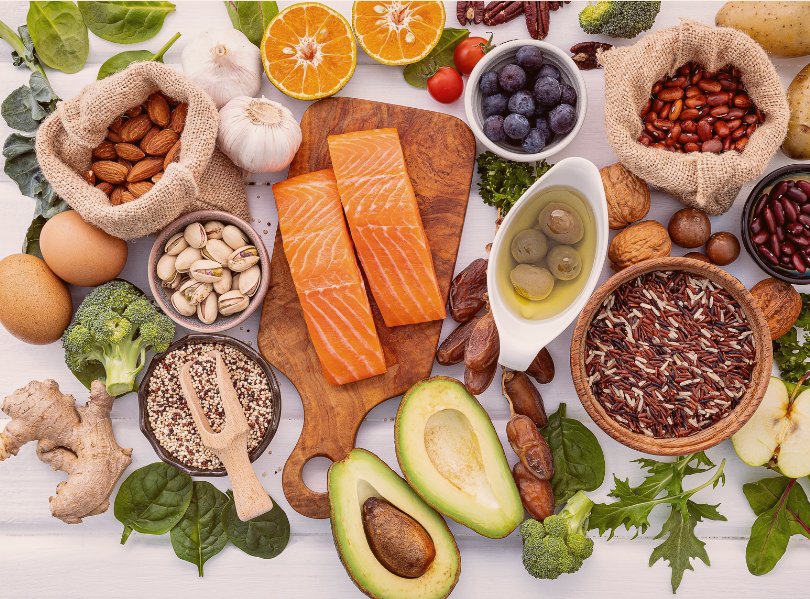
- Antioxidants help protect skin cells from free radical damage and oxidative stress, which can accelerate ageing. Examples: blueberries, kale, spinach and green tea.
- Collagen-supporting nutrients support collagen production, which is linked to elasticity. Examples: vitamin C (citrus fruits), zinc (pumpkin seeds) and proline (bone broth).
- Omega-3 fatty acids help reduce inflammation and support the skin barrier. Examples: salmon, walnuts, chia seeds and flaxseeds.
- Probiotics and prebiotics help balance the gut microbiome, which may reduce inflammation and support clearer, more hydrated skin. Examples: yoghurt, kefir, bananas, garlic, onions and sauerkraut.
- Hydrating foods help maintain skin's plumpness. Examples: watermelon, cucumber and oranges.
Foods that may accelerate skin ageing
- Refined sugars and high-GI foods cause blood sugar spikes and promote advanced glycation end products (AGEs), which can damage collagen and elastin. Examples: lollies, white bread and soft drinks.
- Highly processed foods can contain additives and trans fats that disrupt the gut microbiome and increase inflammation. Examples: packaged snacks and fast food.
- Excessive alcohol and caffeine can dehydrate the skin and impair gut function.
How the gut-skin axis relates to ageing skin
As we age, natural changes in gut and skin health occur:
- Declining collagen levels. Collagen production slows, which is linked to fine lines and sagging. A healthy gut can support collagen synthesis through nutrient absorption and inflammation control.
- Slower skin repair. Ageing slows the repair of skin cells. Gut health influences how efficiently your body heals.
- Increased inflammation. Chronic inflammation can accelerate skin ageing by breaking down structural proteins. Supporting gut health may help moderate this.
Research suggests that collagen peptide supplements and diets rich in omega-3s, antioxidants and vitamins may reduce wrinkle depth, improve elasticity and support hydration over time.
Practical tips for a gut-skin glow-up
- Balance your plate. Prioritise whole, nutrient-dense foods and limit highly processed items.
- Stay hydrated. Aim for water across the day to support your skin and digestion.
- Include probiotics and prebiotics. Add fermented foods and high-fibre options to your meals.
- Go easy on sugar and alcohol to limit inflammation and dehydration.
- Manage stress. Chronic stress can affect both your gut and skin. Try mindfulness practices like yoga or meditation.
The bottom line: food, gut and skin are connected
Your gut and skin share a relationship that influences your overall health. By nourishing your gut with the right foods, you can support a healthier complexion over time.
At Wellness Nutrition Solutions, we look at skin health holistically, starting with the food on your plate.
Work with us: If gut symptoms or skin concerns are showing up together, personalised nutrition support alongside your medical care can help you find what works for you. Explore personalised health support, and download the free Blood Sugar guide.
References and further reading
- Ahmed, I. A., & Mikail, M. A. (2024). Diet and skin health: The good and the bad. Nutrition, 119, Article 112350.
- Assaf, S., & Kelly, O. (2025). Nutritional dermatology: Optimizing dietary choices for skin health. Nutrients, 17(60).
- Borumand, M., & Sibilla, S. (2015). Daily consumption of a collagen supplement reduces visible signs of aging. Clinical Interventions in Aging, 10, 473-481.
- Ioanna, L. (2022). Nutrition and skin health in the third age. International Journal of Caring Sciences, 15(3).
- Proksch, E., et al. (2014). Oral intake of specific bioactive collagen peptides reduces skin wrinkles and increases dermal matrix synthesis. Skin Pharmacology and Physiology, 27(3), 113-119.
- Schunck, M., et al. (2021). Dietary supplementation with collagen peptides improves skin elasticity, hydration and dermal collagen density. Nutrients, 13(12), 4218.
- Zague, V. (2008). A new view concerning the effects of collagen hydrolysate intake on skin properties. Archives of Dermatological Research, 300(9), 479-483.
- Khmaladze, I., et al. (2020). The skin interactome: A holistic genome-microbiome-exposome approach to understand and modulate skin health and aging. Clinical, Cosmetic and Investigational Dermatology, 13, 1021-1040.
About the author: Dorelle Thompson, Accredited Practising Dietitian (APD097042). About Dorelle
Related: Personalised health support · Gut health, bloating and constipation · Stomach pain and gut health support, Brisbane
CTA: Book a free 20-minute call to talk through how nutrition could support your gut and skin.