
Real-Life Nutrition
Broccoli: A Nutrient-Dense Superfood for Your Health
By Dorelle Thompson, APD · 18 February 2025 · 3 min read
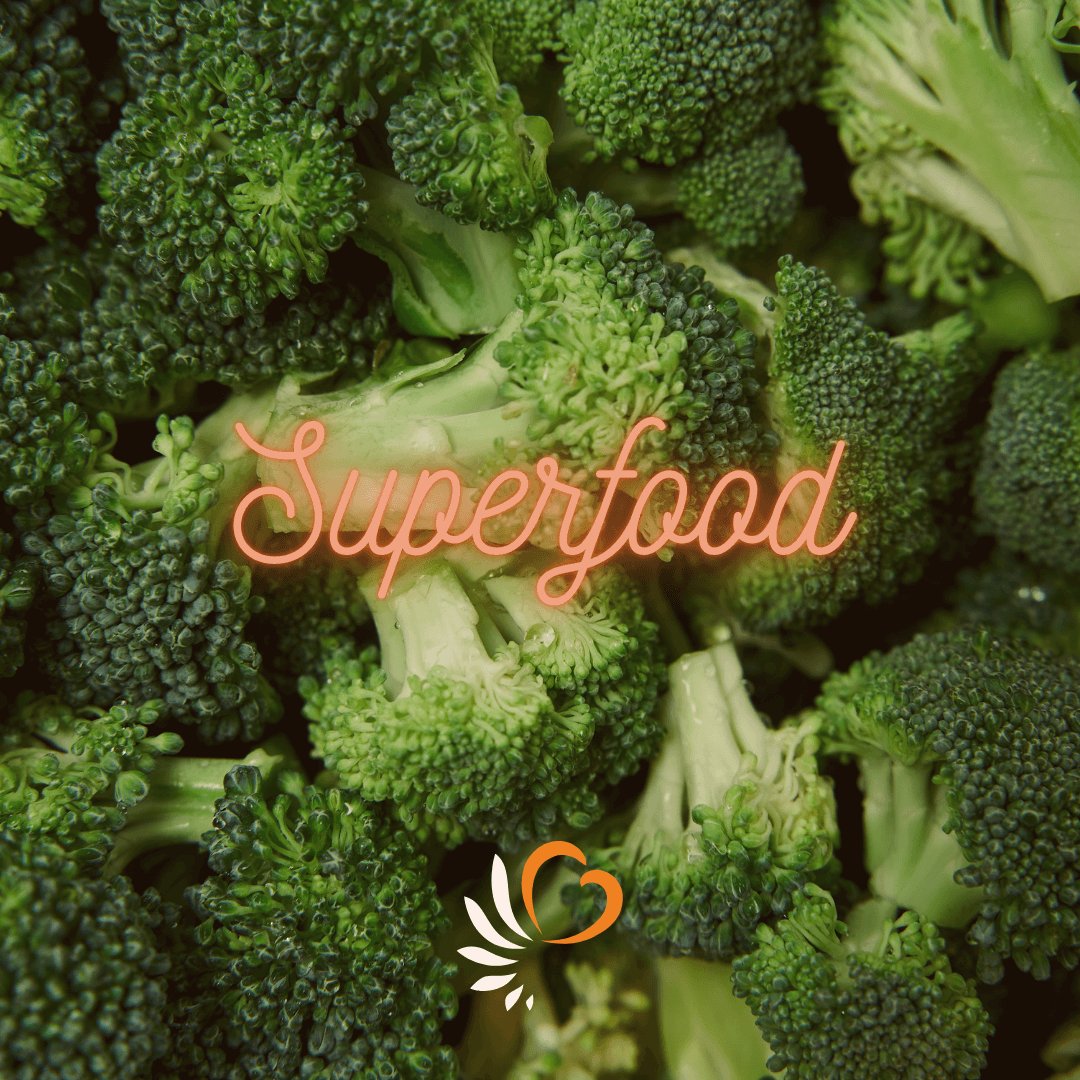
Broccoli is a nutrient-dense vegetable packed with vitamin C, fibre and sulforaphane, a well-studied antioxidant. This cruciferous favourite can support immunity, heart health and healthy blood sugar as part of a balanced diet. Here you will find what the research says about broccoli's nutrients, the best ways to prepare it, and how it relates to thyroid function.
Broccoli: a nutrient-dense favourite
Broccoli is more than a casual "superfood" tag. It is a vegetable backed by a good body of research, with vital nutrients and compounds that support overall well-being.
Broccoli is packed with:
- Vitamin C and K to support immunity, skin health and bones.
- Sulforaphane, an antioxidant found abundantly in broccoli, studied for its role in reducing inflammation, supporting cellular detoxification pathways and protecting against oxidative stress.
- Fibre to support gut health, digestion and heart health.
- Glucosinolates, compounds studied for properties that researchers are exploring in relation to certain cancers.
4 ways broccoli supports your health
- Cell health and cancer research. Studies suggest sulforaphane in broccoli may play a role in research around breast, prostate and colon cancers. Research published in the Journal of Agricultural and Food Chemistry found that broccoli's bioactive compounds may hinder the growth of cancer cells in lab settings while supporting detoxification pathways in the liver. Broccoli is a healthy food, not a treatment or prevention for cancer.
- Heart health. Broccoli's fibre and antioxidant content may contribute to healthier cholesterol levels and vascular health. A study in Nutrition Research points to a role in reducing inflammation and oxidative stress, which are linked to heart disease.
- Blood sugar regulation. According to a study in Science Translational Medicine, sulforaphane has shown promise in supporting glucose regulation in people with type 2 diabetes by reducing oxidative stress and liver glucose production. This is an emerging research area, not a substitute for prescribed care.
- Immune support. Research in the American Journal of Clinical Nutrition shows broccoli's vitamin C content can support the immune system, including during cold and flu season.
How to prepare broccoli for maximum nutrition
To retain its nutrients:
- Light steaming retains sulforaphane and other compounds better than boiling.
- Raw is ideal for preserving enzymes like myrosinase, which activates sulforaphane. Add it to salads or eat with dips.
- Roasting brings out natural flavour while keeping nutrients largely intact.
- Blending raw broccoli into smoothies is an easy way to add nutrients to your day.
Does broccoli affect thyroid function?
A common question is whether broccoli affects thyroid health. Research suggests that while broccoli contains goitrogens, compounds that can interfere with iodine absorption, the risk is negligible for most people. Cooking broccoli significantly reduces its goitrogenic effects, and eating it as part of a balanced diet with sufficient iodine means it is unlikely to cause harm.
What the studies suggest
Broccoli is a vegetable worth a regular place on your plate. It supports metabolism and immunity and is being actively studied for its protective compounds.
A systematic review published in the International Journal of Molecular Sciences concluded that moderate consumption of broccoli and other cruciferous vegetables does not adversely affect thyroid function in people with adequate iodine intake. The review also highlighted the health benefits of these vegetables, particularly their studied anticancer and metabolic properties.
Work with us: Want practical ways to get more vegetables into your meals, or support for blood sugar alongside your medical care? Explore blood sugar support in Brisbane and download the free Blood Sugar guide.
References and further reading
- Galanty, A., Grudzińska, M., Paździora, W., Służały, P., & Paśko, P. (2024). Do Brassica vegetables affect thyroid function? A comprehensive systematic review. International Journal of Molecular Sciences, 25(3988).
- Wang, Y., He, X., Cheng, N., & Huang, K. (2024). Unveiling the nutritional veil of sulforaphane: With a major focus on glucose homeostasis modulation. Nutrients, 16(1877).
- Owis, A. I. (2015). Broccoli: The green beauty - A review. Journal of Pharmaceutical Sciences and Research, 7(9), 696-703.
About the author: Dorelle Thompson, Accredited Practising Dietitian (APD097042). About Dorelle
Related: Blood sugar support, Brisbane · Dietary iron · Smart food swaps to curb cravings
CTA: Book a free 20-minute call to get simple, practical ideas for eating more vegetables.